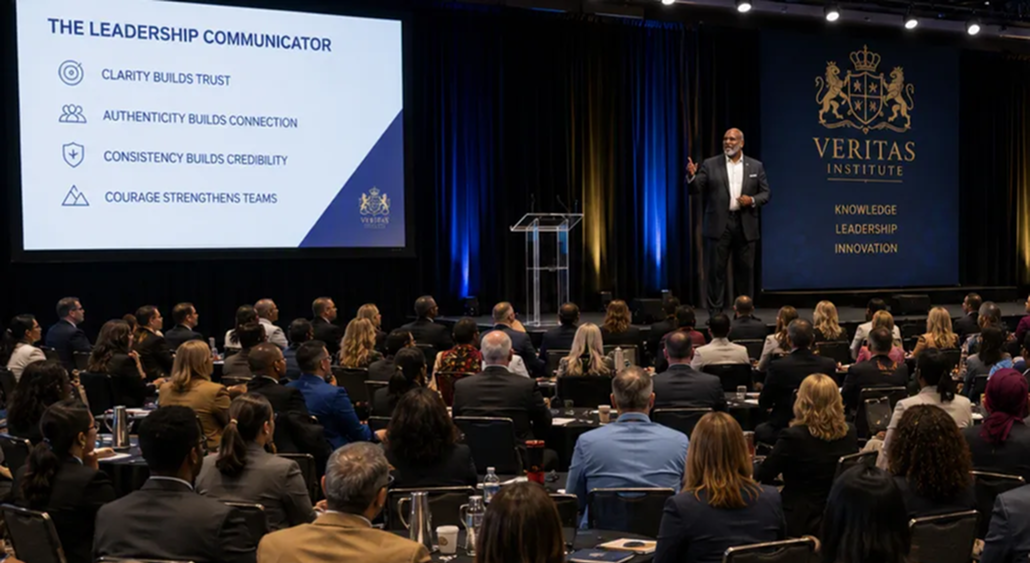
Executive Negotiation and Influence for Security Leaders
A Master‑Level Program for CSOs, CISOs, Directors of Security, Chiefs of Protective Services, and Senior Risk Leaders
Course Overview: The Program That Redefines Security Leadership
Security leadership has entered a new era—one where technical expertise is no longer enough, where influence determines outcomes, and where negotiation shapes the resilience of entire organizations. Today’s security leaders must operate at the intersection of psychology, strategy, crisis, and executive decision-making. They must be able to shape perception, align stakeholders, negotiate under pressure, and lead with clarity when uncertainty is at its peak.
This course was built to meet that reality.
Executive Negotiation and Influence for Security Leaders is a master-level program designed to transform senior security professionals into strategic influencers capable of shaping decisions at the highest levels of leadership. It does not teach techniques; it reshapes identity. It does not offer tips; it builds executive presence. It does not prepare you for meetings; it prepares you for moments that define careers.
This is not a traditional security course. It is an executive transformation experience.
Built With Global Expertise and Real-World Executive Insight
This program draws on the lived experience, frameworks, and executive practices of leaders from some of the world’s most respected organizations. The content reflects insights from:
- Fortune 100 security leadership teams
- Global risk directors from multinational corporations
- Former intelligence and law-enforcement professionals
- Crisis negotiators who have led responses to national-level incidents
- Organizational psychologists specializing in executive decision-making
- Security governance experts aligned with ISO 31000, ISO 27001, ISO 22301, and ASIS executive competencies
The course integrates perspectives from industries including finance, healthcare, technology, critical infrastructure, aviation, energy, and government. It reflects the realities of leaders who negotiate with regulators, coordinate with intelligence agencies, align with boards, and influence C-suite decision-making under pressure.
This is not theory. This is the distilled intelligence of leaders who have done the work at the highest levels.
Who This Program Is For
This course is designed for security professionals who are ready to step beyond operational leadership and into executive influence. It is built for individuals who understand that their role is no longer defined by technical capability, but by strategic impact.
It is for:
- CSOs, CISOs, Directors of Security, and Chiefs of Protective Services
- Senior leaders responsible for enterprise risk, resilience, crisis management, or protective operations
- Security managers preparing for executive roles
- Leaders who negotiate with boards, regulators, law enforcement, intelligence agencies, and cross-functional executives
- Professionals who want to elevate their presence, sharpen their influence, and operate as strategic advisors rather than technical specialists
This program is not for beginners. It is for leaders who are ready to evolve.
Learner Outcomes: What You Become, Not Just What You Learn
This course does not measure success by knowledge gained. It measures success by identity transformed. By the end of this program, learners emerge with a fundamentally different understanding of themselves, their influence, and their leadership.
Graduates of this program will:
- Think like executive negotiators — shaping decisions through clarity, presence, and strategic framing.
- Influence with psychological precision — understanding how executives perceive risk, make decisions, and respond under pressure.
- Lead with crisis authority — becoming the stabilizing force others rely on when uncertainty escalates.
- Navigate cross-functional power dynamics — aligning finance, operations, HR, IT, legal, and executive leadership with security priorities.
- Build external credibility — negotiating effectively with regulators, law enforcement, intelligence agencies, insurers, vendors, and strategic partners.
- Shape organizational culture — creating environments where secure behavior is natural, not enforced.
- Communicate with executive presence — delivering messages that move minds, reduce friction, and accelerate alignment.
- Operate as strategic advisors — influencing the direction of the organization, not merely responding to it.
This program does not teach you how to do security. It teaches you how to lead security at the highest level.