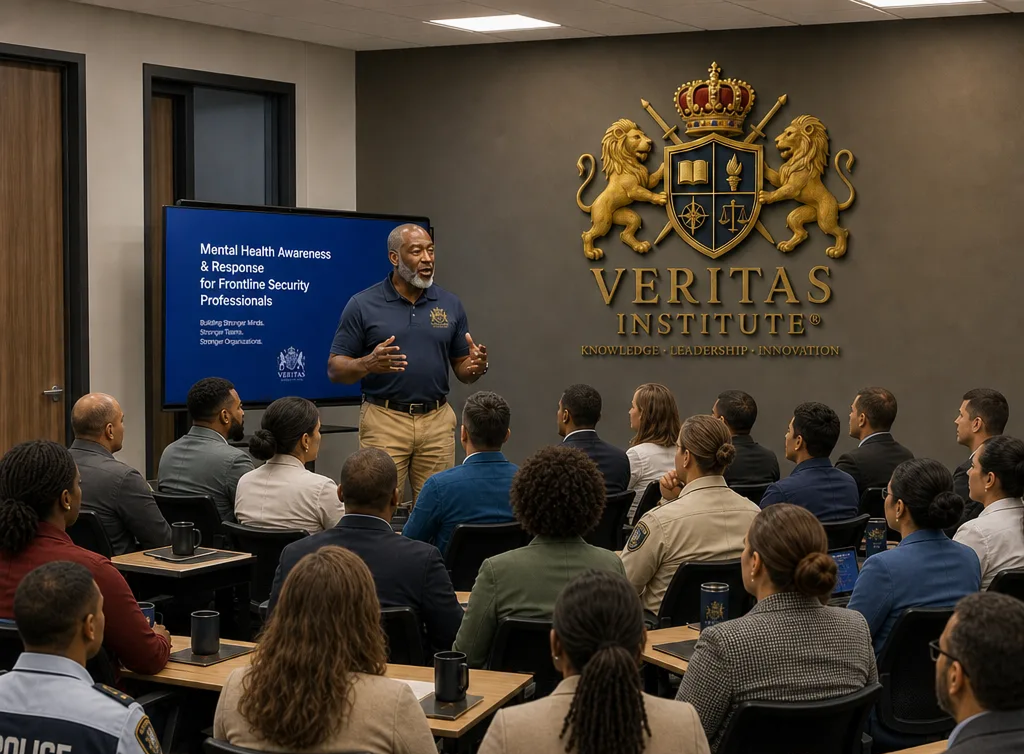
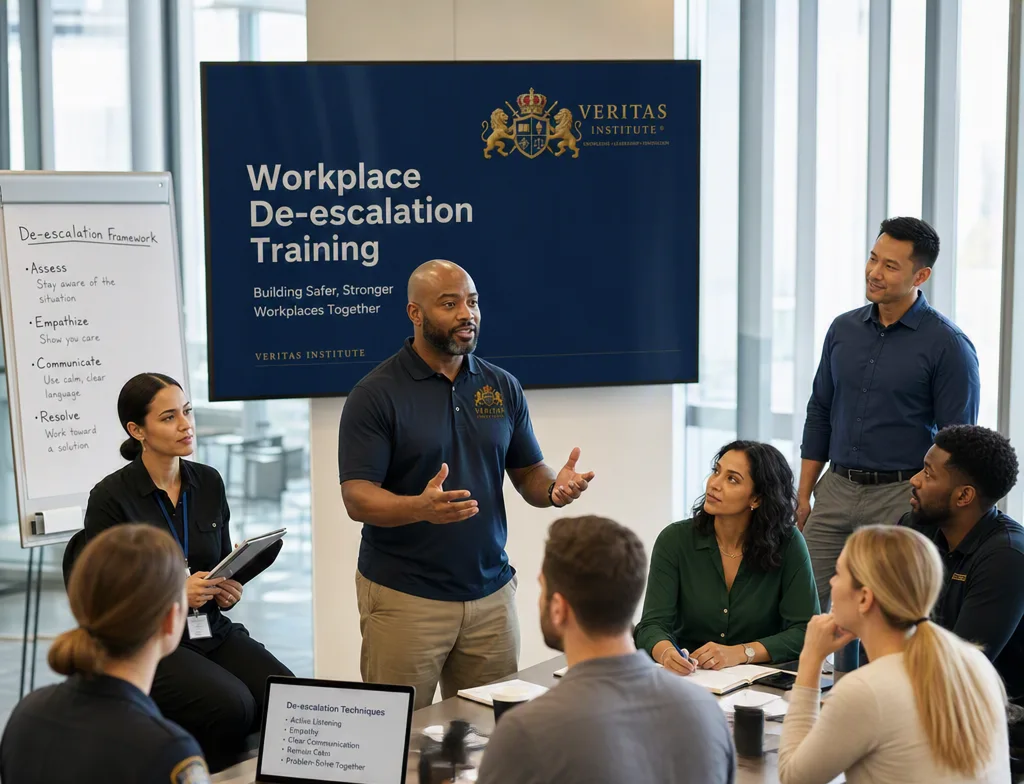
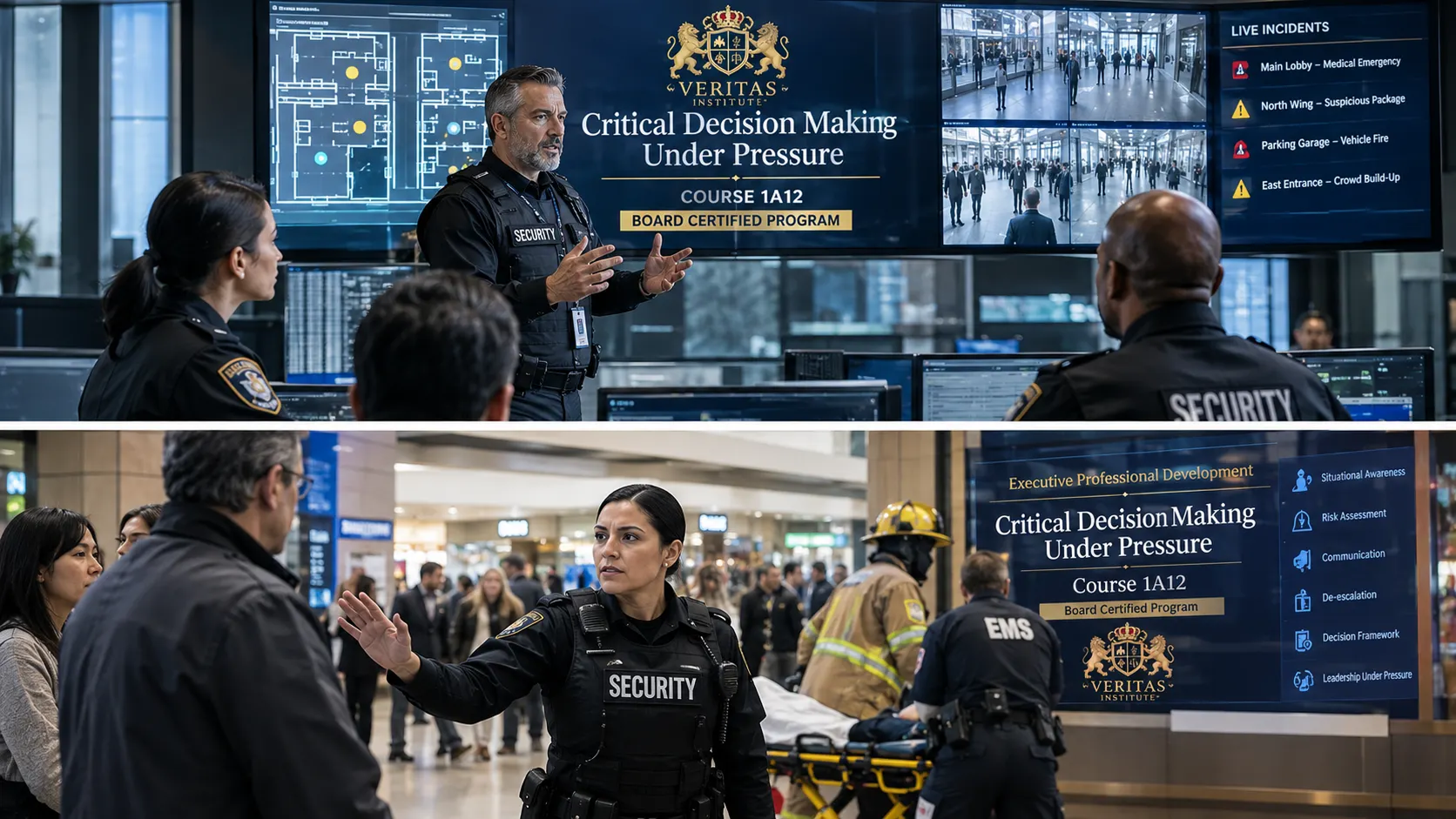
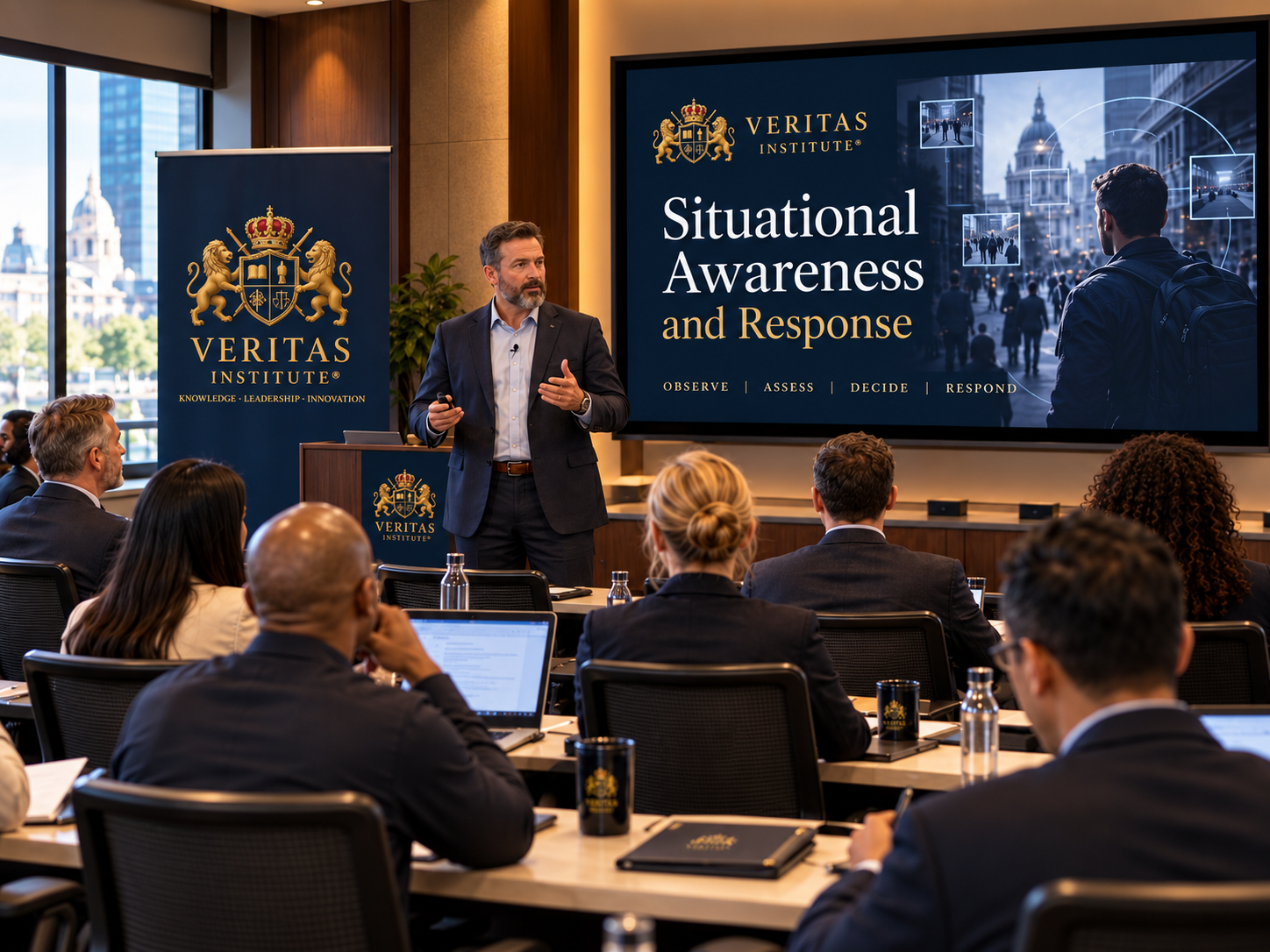
Advanced Conflict Management and Behavioral Threat Intervention
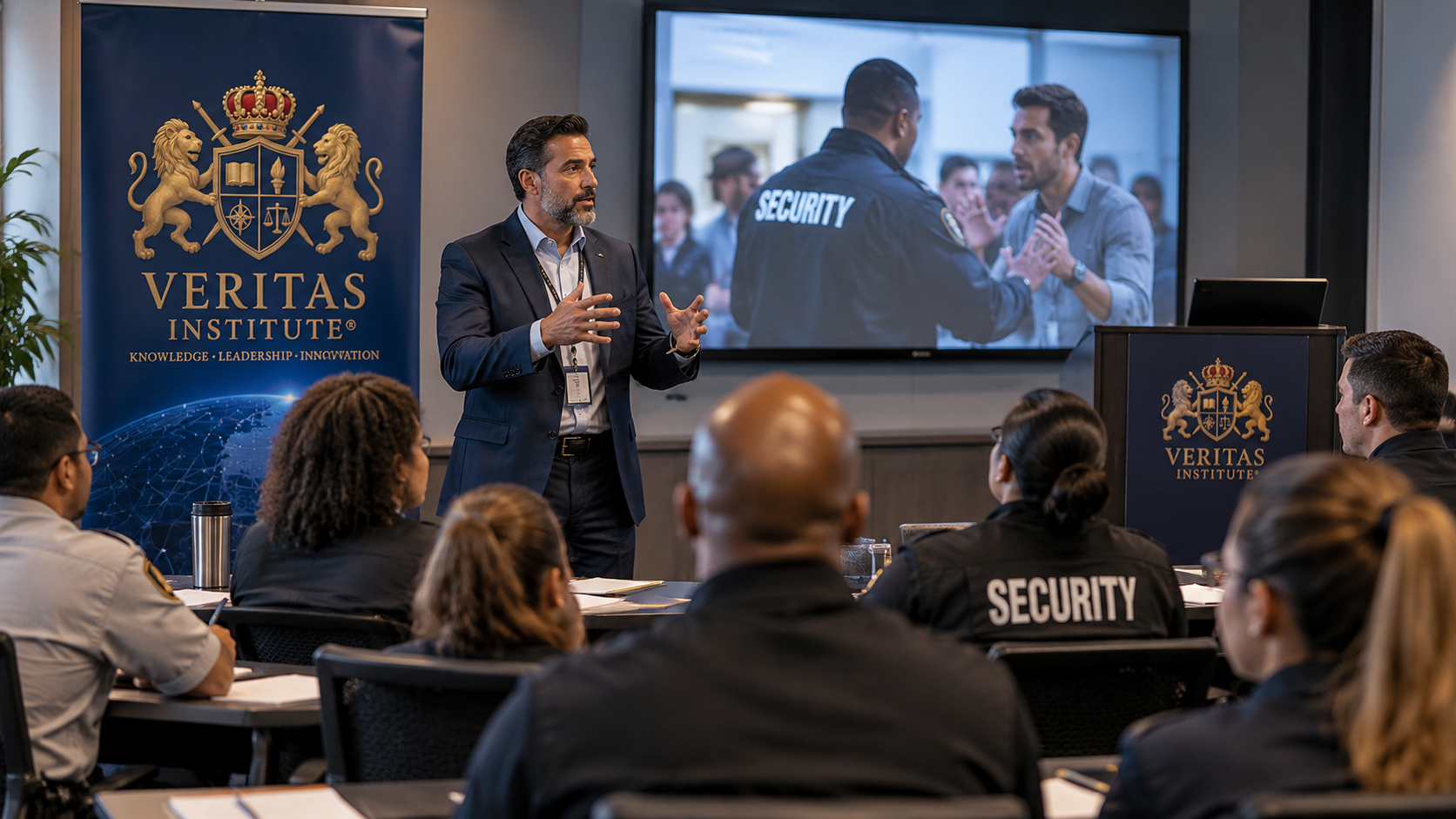
Course Overview
Modern security environments demand far more than physical presence — they require behavioral intelligence, precision decision‑making, and the ability to intervene long before conflict becomes crisis. Across healthcare, retail, transit, corporate offices, and public institutions, frontline personnel are facing unprecedented levels of emotional volatility, aggression, and unpredictable behavior. As your document states, “security personnel today operate in environments where stress is constant, expectations are high, and emotional volatility is increasingly common.”
This board‑certified program transforms officers, supervisors, and organizational leaders into prevention‑focused professionals capable of recognizing early warning signs, de‑escalating high‑emotion encounters, and conducting structured behavioral threat assessments aligned with global best practices (U.S. Secret Service, FBI, VTRA, and international models).
Through six immersive modules built on real global incident patterns and scenario‑driven learning, participants develop the operational mindset, communication mastery, and leadership capability required to stabilize individuals, prevent escalation, and strengthen organizational resilience.
This is not theoretical training — it is operational, actionable, and immediately applicable.
Who Is This For
This program is designed for professionals responsible for safety, conflict management, and organizational risk prevention, including:
-
Security Officers & Supervisors
-
Security Directors & Corporate Security Teams
-
Healthcare Security Professionals
-
Retail & Loss Prevention Teams
-
Transit & Public Safety Personnel
-
HR, Operations, and Organizational Leaders
-
Anyone managing conflict, behavioral risk, or frontline safety
If your role requires navigating high‑emotion situations, interpreting human behavior, or preventing workplace violence, this course equips you with the advanced tools needed to lead with confidence.
Learner Outcomes
Graduates of this certification program emerge with a comprehensive, prevention‑focused skillset that elevates both frontline performance and organizational capability. You will learn to:
1. Master Human Behavior Under Stress
Understand escalation psychology, emotional hijacking, trauma responses, and cultural dynamics that shape behavior in high‑pressure environments. “When emotions overwhelm logic, the prefrontal cortex shuts down… individuals misinterpret neutral actions as hostile.”
2. Apply Advanced De‑Escalation Techniques
Use tactical communication, tone, presence, and emotional intelligence to calm individuals across cultures, environments, and emotional states.
3. Identify Pre‑Incident Indicators Early
Recognize fixation, boundary testing, leakage, behavioral change, and other early warning signs of potential violence — and intervene before escalation.
4. Conduct Structured Behavioral Threat Assessments
Apply global best practices from NTAC, FBI BAU, VTRA, and international threat assessment frameworks to evaluate risk accurately and defensibly.
5. Intervene Effectively and Ethically
Stabilize individuals of concern, document objectively, collaborate with HR/legal/mental health partners, and manage cases from first report to resolution.
6. Build a Culture of Organizational Prevention
Integrate prevention into leadership communication, reporting pathways, cross‑department collaboration, and frontline operations.
Who Should Enroll
This program is ideal for:
-
Security Officers & Supervisors
-
Security Directors & Managers
-
Corporate Security Teams
-
Healthcare Security Professionals
-
Retail Loss Prevention Teams
-
Transit & Public Safety Personnel
-
HR, Operations, and Organizational Leaders
-
Anyone responsible for conflict management or workplace safety
Why This Course Stands Out
This program is built on:
-
Real global incident patterns
-
Evidence‑based behavioral science
-
Trauma‑informed and culturally intelligent practices
-
Operational leadership principles
-
Scenario‑driven immersive learning
-
Practical tools for frontline, supervisory, and director‑level roles
It is not theoretical. It is operational, actionable, and immediately applicable.