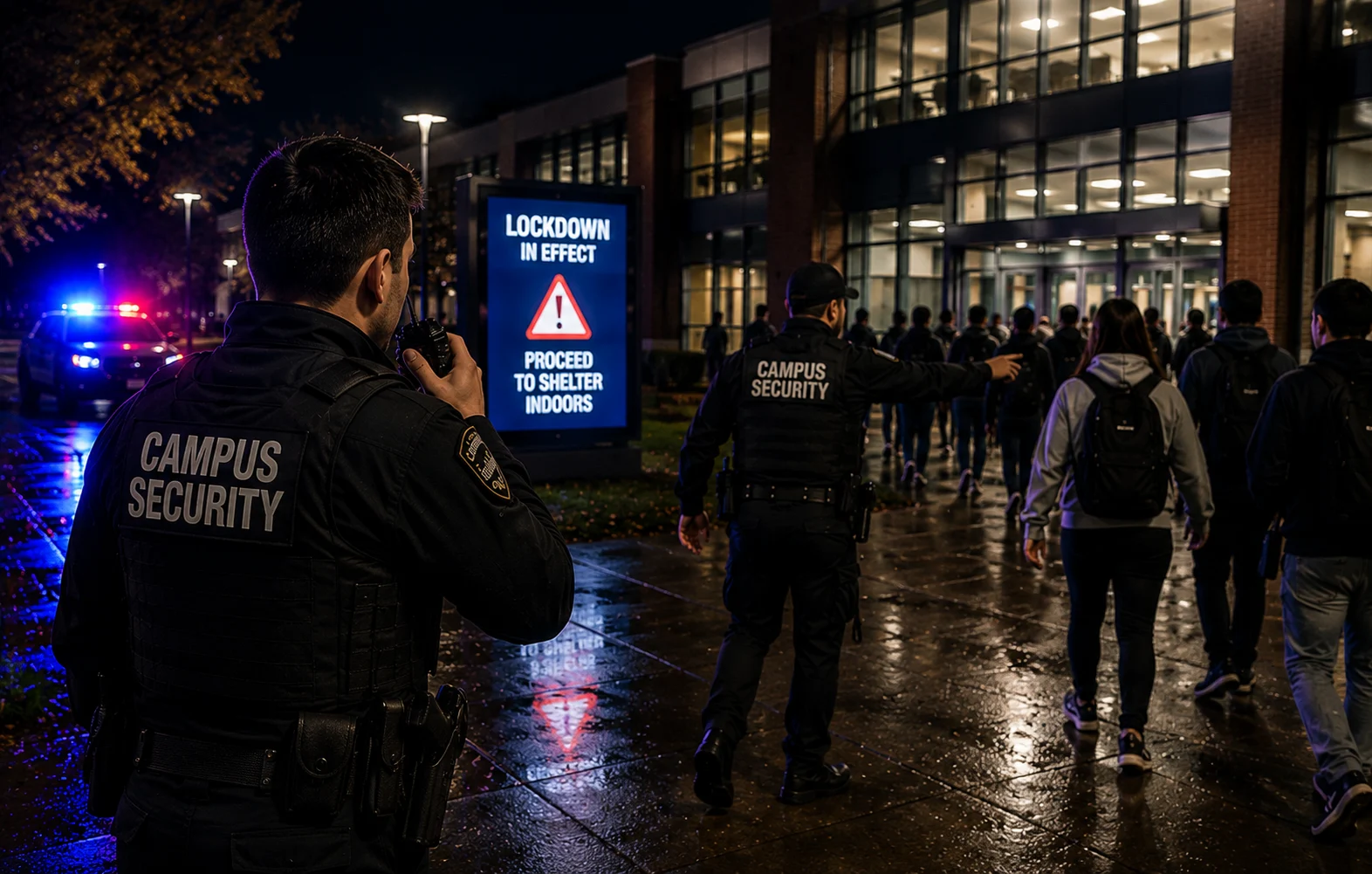
Student Crisis Response and Duty of Care Management
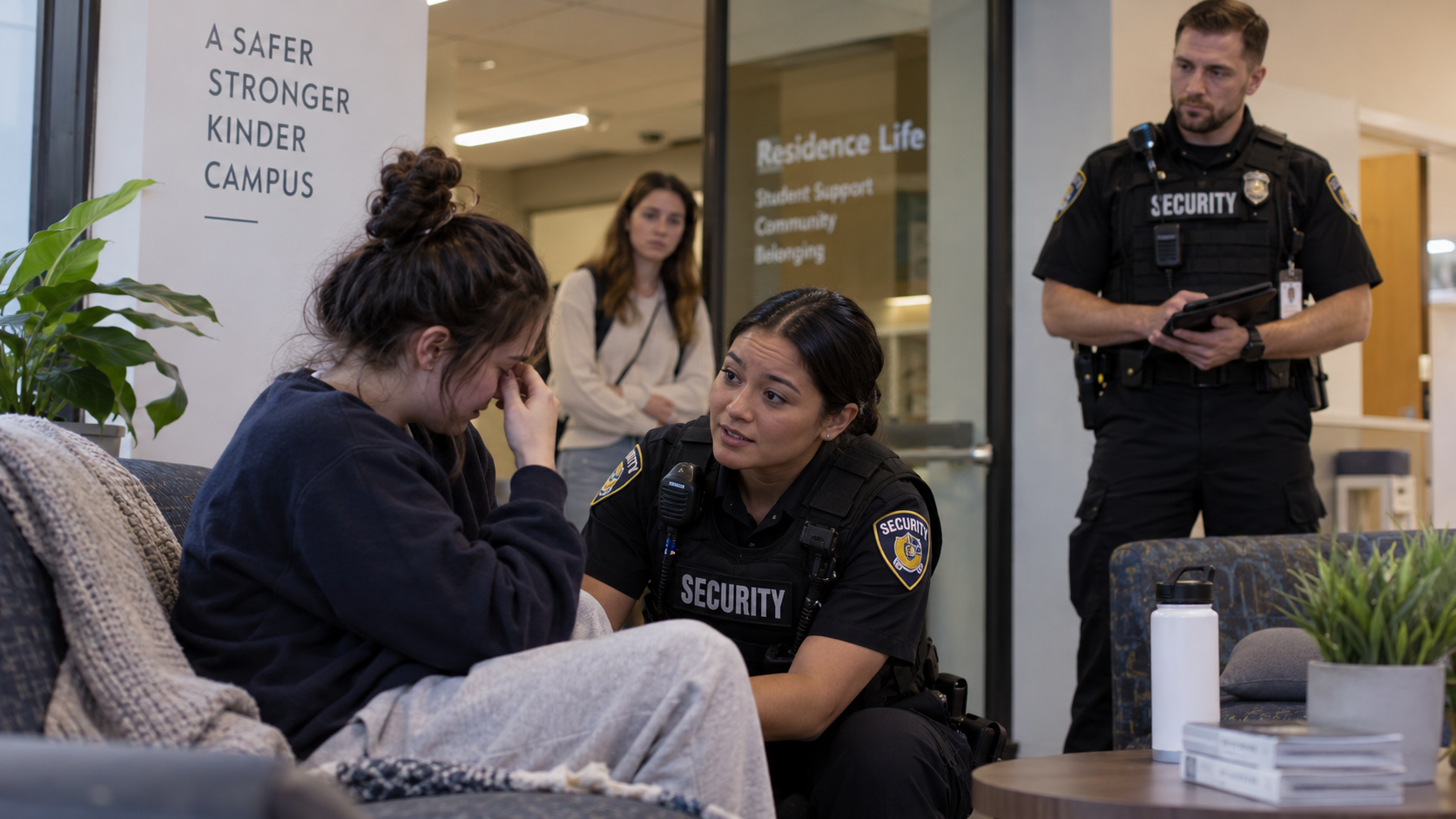
Course Overview
Student crises rarely arrive with clarity. A call may begin as “student acting strangely,” “possible intoxication,” “person crying in stairwell,” or “argument in residence.” Each label is incomplete, and campus professionals must make defensible decisions under imperfect information. This course builds the operational discipline required to recognize foreseeable harm, stabilize uncertain situations, and activate the right resources without overstepping role boundaries.
Across ten modules, learners develop a repeatable decision habit grounded in the CARE cycle—Clarify, Assess, Respond, Evaluate—the thinking process that sits beneath all campus emergency procedures. Through real‑world scenarios, behavioural‑health principles, threat‑assessment logic, and duty‑of‑care standards, participants learn to reduce risk proportionately, communicate with precision, and ensure safe transfer of responsibility.
This program reflects modern campus safety doctrine, integrating crisis‑care guidance, behavioural intervention practices, and multi‑agency coordination. Graduates emerge with a professional, ethical, and defensible approach to student crisis management.
Who Is This For
This course is designed for professionals responsible for student wellbeing, campus safety, and frontline crisis response, including:
-
Campus security officers, special constables, and public‑safety personnel
-
Residence life staff, RAs, and student‑support teams
-
Student affairs professionals and behavioural intervention team members
-
Emergency management staff and first‑contact responders
-
Supervisors seeking a standardized decision model for their teams
-
Any campus professional who must navigate uncertainty, assess risk, and act proportionately
Whether your role involves first contact, coordination, or oversight, this course equips you with a shared language and operational framework to manage complex student situations with confidence and care.
Learner Outcomes
By the end of this program, participants will be able to:
-
Apply duty‑of‑care as a decision discipline, recognizing foreseeable harm and choosing proportionate controls
-
Use the CARE cycle to structure crisis thinking: Clarify, Assess, Respond, Evaluate
-
Differentiate facts, observations, interpretations, and conclusions under pressure
-
Communicate effectively with distressed individuals using transparent, non‑confrontational techniques
-
Identify mental‑health, medical, intoxication, and behavioural‑risk indicators without diagnosing
-
Activate appropriate clinical, emergency, or law‑enforcement pathways based on severity and immediacy
-
Manage bystanders, preserve privacy, and maintain role boundaries during sensitive incidents
-
Document defensible decisions that support continuity of care and institutional review
-
Collaborate with multidisciplinary teams including police, EMS, counselling, residence life, and threat‑assessment units
-
Ensure safe transfer and follow‑up, recognizing that duty of care continues after the visible crisis ends
Learners leave with a professional, repeatable, and institutionally defensible approach to student crisis response—one that protects individuals, strengthens campus systems, and upholds the highest standards of care